Commercial auto: why a personal policy won't cover the work truck
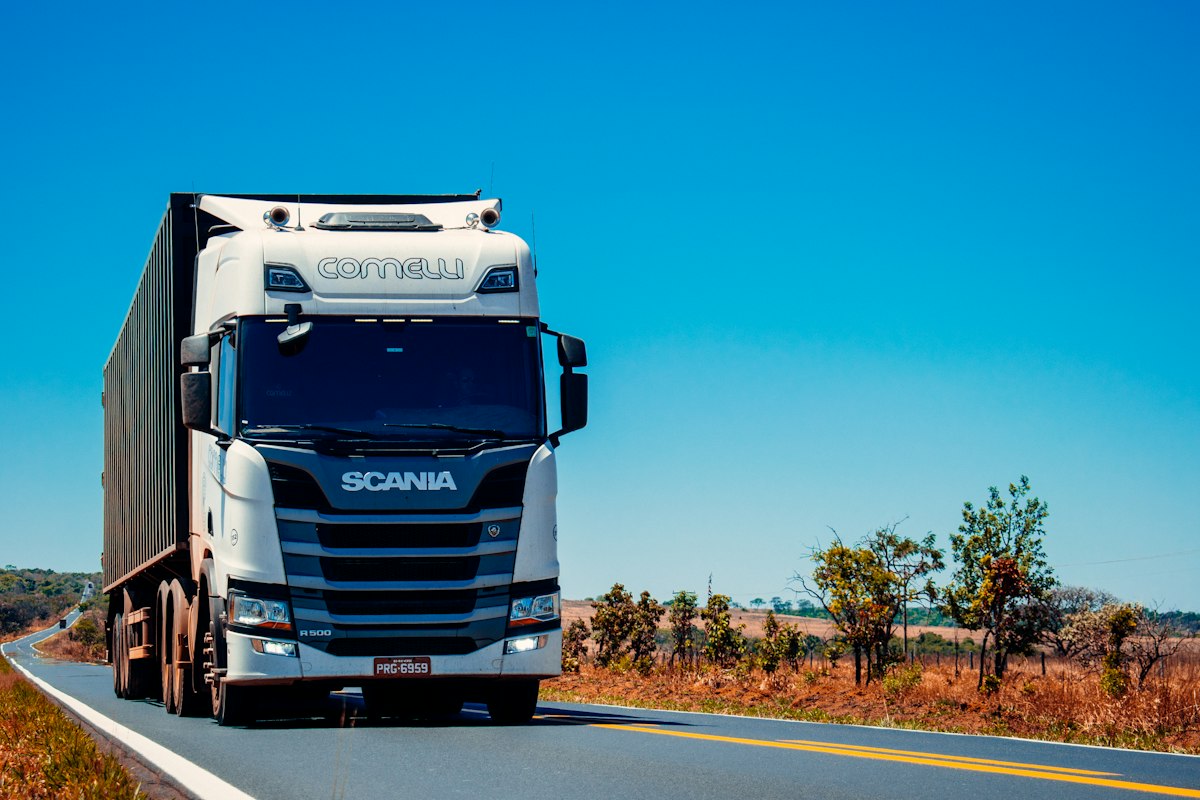
It's one of the most common — and most costly — misunderstandings we see: a business owner insures the truck on their personal auto policy because it's cheaper, and assumes the coverage transfers to the business. It usually doesn't.
Personal auto policies include a business-use exclusion. If the vehicle is titled to the business, used to transport equipment, tools or materials, or carries any kind of commercial marking, the carrier can — and in a serious claim often will — deny the loss. At that point the business owns the damage personally: the vehicle, the liability, and the lawsuit.
So when is a commercial policy required? If the vehicle is registered or titled to a business, if it's driven by employees, if it hauls equipment or goods for hire, if it has commercial plates or signage, or if it's a heavier vehicle such as a box truck or dump trailer, you're firmly in commercial territory. Even a personal vehicle that regularly runs job-site errands for the business can need a commercial endorsement.
Commercial auto also comes with protections a personal policy can't offer: higher liability limits designed for business exposure, coverage for hired and non-owned vehicles (critical when an employee runs an errand in their own car), and options like hired-physical-damage and roadside coverage sized for work vehicles.
The premium difference is usually smaller than people expect — particularly for a single light-duty truck. Price it honestly before you decide to self-insure a risk most carriers will simply refuse to pay.
Have questions about your coverage?
A licensed advisor will review your policy and build a tailored quote — typically within one business day. No obligation, no spam.